



Tirzepatide
Tirzepatide is a remarkable medication in the field of diabetes treatment. It consists of 39 amino acids that bind (GIP) and glucagon-like peptide-1 receptor (GLP-1R) receptors. In simpler terms, tirzepatide helps regulate blood sugar levels in people with type 2 diabetes by stimulating insulin release and reducing glucagon production.
It has shown promising results in numerous clinical trials. Its unique dual-action mechanism provides better glycemic control and weight management. Studies indicate that Tirzepatide can effectively lower A1C (average blood sugar levels) and body weight, surpassing the benefits seen with individual GIP or GLP-1R agonists.
Tirzepatide Structure
- Amino Acid Sequence: YE-Aib-GTFTSDYSI-Aib-LDKIAQ (C20 fatty acid) AFVQWLIAGGPSSGAPPPS
- Note: Aib is a non-coded (non-proteinogenic) amino acid – H2H-C(CH3)2–COOH
- Molecular Formula: C225H348N48O68
- Molecular Weight: 4813.527 g/mol
- PubChem CID: 156588324
- CAS Number: 2023788-19-2
- Synonyms: P1206, LY3298176
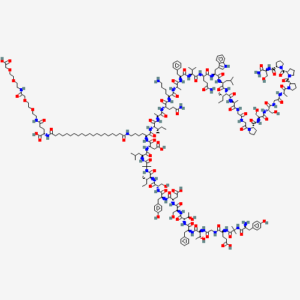
Source: PubChem
What Does Tirzepatide Do?
In clinical trials, tirzepatide has demonstrated significant weight loss results in adults with obesity. Studies have reported weight loss of up to 15.7%, which is remarkable. The medication is currently in phase 3 development for treating obesity in adults.
Furthermore, tirzepatide has received FDA approval as an adjunct therapy for chronic weight management. It is used alongside a reduced-calorie diet and increased physical activity to help individuals achieve and maintain a healthy weight.
Tirzepatide has also been applied to the treatment of type 2 diabetes. By increasing insulin levels and lowering blood sugar levels, it can aid in managing this chronic condition.
Additionally, tirzepatide influences adiponectin levels, a fat-burning peptide, which helps manage conditions such as type 2 diabetes, atherosclerosis, and non-alcoholic fatty liver disease.
How Does Tirzepatide Work?
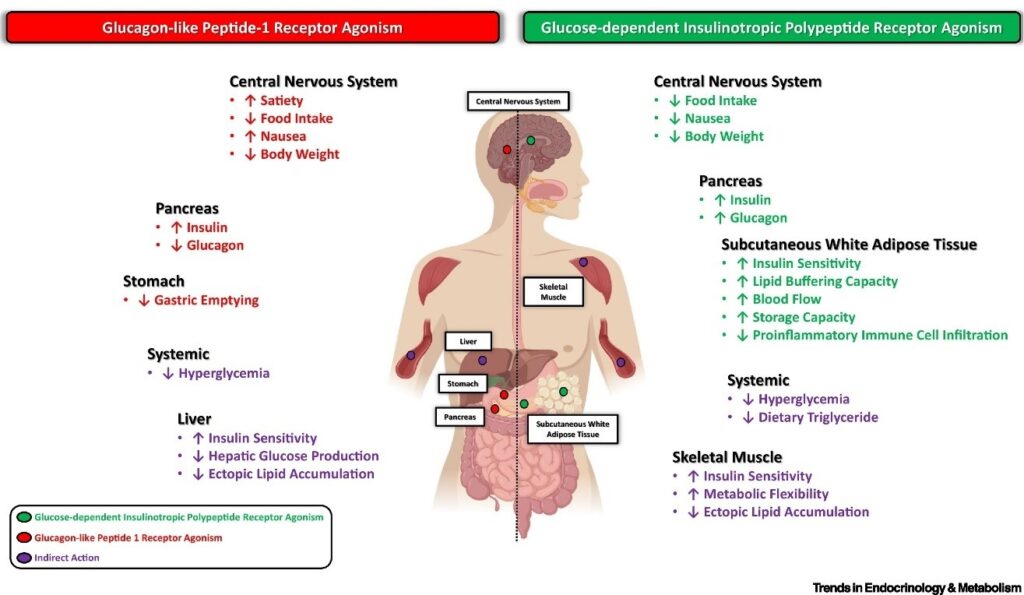
Tirzepatide mimics the effects of two important hormones in the body: GLP-1 (glucagon-like peptide-1) and GIP (glucose-dependent insulinotropic polypeptide). These hormones are crucial in regulating insulin secretion, controlling blood sugar levels, and influencing feelings of hunger and satiety.
Tirzepatide acts as a dual GLP-1 agonist and GIP agonist, providing benefits similar to those seen with GLP-1 medications such as semaglutide. It stimulates insulin release from the pancreas after eating and signals the liver to decrease sugar production. This leads to lower blood sugar levels and improved glucose control.
It also slows down the emptying of the stomach after a meal, which leads to decreased food intake, increased feelings of fullness, and improved utilization of fat in the body.
Tirzepatide and Hunger
Tirzepatide has been shown to have an impact on hunger and appetite regulation. It works by targeting the GLP-1 receptor and the GIP receptor, both of which control feelings of hunger and satiety.
When tirzepatide binds to these receptors, it causes insulin release, slows down stomach emptying, and reduces food intake. These actions can keep patients feeling less hungry, while increasing the feelings of fullness.
Tirzepatide activates the GLP-1 receptor in the brain, which further influences the hypothalamus, a region involved in appetite regulation, causing reduction in appetite and decreased food cravings.
Furthermore, tirzepatide can modulate the levels of certain hormones, such as leptin and adiponectin, which are involved in hunger and satiety signaling. By regulating these hormones, tirzepatide can contribute to decreased appetite and improved appetite control.
The link between tirzepatide and hunger lies in its ability to target the GLP-1 and GIP receptors, regulate insulin release, slow down stomach emptying, and modulate appetite-regulating hormones. These mechanisms work together to reduce feelings of hunger and promote a sense of fullness, aiding in weight loss and managing obesity.
Tirzepatide and Weight
Tirzepatide is known to promote weight loss in individuals with obesity or overweight conditions. The link between tirzepatide and weight lies in its dual action as a GLP-1 receptor agonist and a GIP receptor agonist.
Tirzepatide's activation of the GLP-1 receptor has several effects on weight reduction. It stimulates insulin release from the pancreas, which helps regulate blood sugar levels and reduces appetite. Additionally, it slows down gastric emptying, leading to increased feelings of fullness and satisfaction after meals. Collectively, these mechanisms help control food intake and promote weight loss.
GIP, on the other hand, plays a role in regulating energy metabolism and fat storage. By modulating the GIP receptor, tirzepatide can influence fat utilization and storage, potentially leading to decreased body weight.
Clinical trials have demonstrated the efficacy of tirzepatide in promoting weight loss. In one study, adults with obesity or overweight conditions experienced weight reductions of up to 15.7% after receiving tirzepatide treatment.
Tirzepatide and the Heart
Tirzepatide, a medication used for the treatment of type 2 diabetes and obesity, has potential cardiovascular benefits as well. Studies have explored the link between tirzepatide and its effects on the heart, including blood pressure and heart rate.
Research suggests that tirzepatide can substantially reduce 24-hour blood pressure, indicating potential cardiovascular benefits. Additionally, while this medication may cause a slight increase in heart rate, these increase